What to Pack for Lake District
Complete packing checklist tailored to Lake District's climate and culture
Climate Overview for Lake District
The Lake District's temperate climate is defined by frequent and rapid changes, where a morning of brilliant sunshine over Windermere can shift to a chilling mist rolling down the fells by afternoon. You will feel the cool dampness of the air even on clear days, a persistent humidity that seeps into stone and wool. Days are often punctuated by sudden, drenching showers that leave the bracken glistening and the footpaths muddy. This unpredictability dictates a packing strategy built entirely on layers. A waterproof outer shell is non-negotiable, as important as a sturdy pair of shoes for navigating slick, rocky paths. Even in summer, evenings carry a distinct chill, near the water, so insulating mid-layers are a constant companion. The key to enjoying the Lake District is staying dry and warm, allowing you to absorb the sight of sunbeams piercing cloud over Ullswater or the sound of rain pattering on oak leaves without discomfort.
Clothing & Footwear
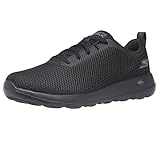
The Lake District terrain is a mix of paved village paths, rocky inclines, and muddy trails. A shoe with substantial grip and ankle support is important for navigating the often slippery conditions around Coniston Water or the stone steps of historic sites.
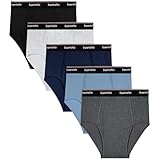
The damp climate means laundry may not dry quickly in your accommodation. Quick-dry fabric ensures you have a fresh base layer after a day of hiking where you might feel the sweat from a steep climb or the mist from a passing shower.

Layering for the Lake District requires multiple clothing items. These cubes efficiently organize and compress bulky fleeces and waterproofs, maximizing space in your luggage for the varied wardrobe needed.

Essential for day trips from Keswick, this pack carries extra layers, a packed lunch from a local bakery, and a map as you explore. Its foldable nature saves space when not in use.
Electronics & Gadgets
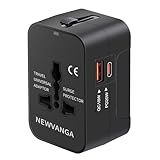
The Lake District uses UK-style three-pin plugs. A reliable adapter is necessary to charge devices after a long day of navigating, as you'll rely on your phone for maps and capturing the shifting light on the tarns.

Cell service can be spotty in the valleys and fells, causing your phone to drain battery searching for a signal. A high-capacity power bank ensures your camera and navigation tools stay alive throughout a full day's exploration away from outlets.

Durable cables withstand being stuffed into a damp daypack with wet gear. Having multiple cables means you can charge your power bank, phone, and headlamp simultaneously in your accommodation before an early start.

Captures the subtle details of the Lake District, the texture of drystone walls, the reflection of clouds in a still tarn, the play of light through a forest canopy, with a quality surpassing most smartphones, without the bulk of professional gear.

Good for cozy evenings after a day outdoors. Its glare-free screen is readable by a cottage window with a view of darkening fells, and it saves space over physical books, letting you bring multiple guides to the Lake District's literary history.
Toiletries & Health

Keeps your essentials organized and contained in often compact Lake District accommodation bathrooms. The clear design simplifies airport security for your journey to the region.

Essential for treating minor scrapes, blisters from hiking, or insect bites encountered on the trails. The waterproof case protects contents from the pervasive damp.

Eliminates liquid spills in your bag and reduces plastic waste, aligning with the conservation ethos of the Lake District National Park. These bars last longer than bottles for an extended stay.
A hard case protects your toothbrush from moisture and impacts during travel. The organized storage is useful in smaller ensuite bathrooms typical of local guesthouses.
Documents & Security

Keeps your passport, boarding passes, and perhaps a paper map of the Lake District organized and protected. Useful for day trips when you may need to carry identification.

Secure your main luggage at your accommodation if you're out hiking. Also useful for locking a backpack if you leave it in a car while visiting a crowded spot like Hill Top.

Provides peace of mind for checked luggage on flights to the region. Can also be slipped into a daypack in the unlikely event it is misplaced on a bus or ferry in the Lake District.
Comfort & Convenience
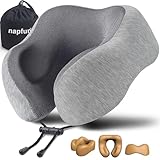
Supports rest on the journey to the Lake District, which often involves flights followed by train or car travel. Also useful for propping yourself up to read in bed with a view of the rain-streaked window.

Summer months bring very early dawns to the Lake District. A good mask ensures sleep after a long day of walking, if your room lacks blackout curtains.

Good for the flight or train. In the Lake District, it's good for an impromptu picnic by a lake when the grass is damp, or for adding an extra layer on a chilly evening in a holiday cottage.

Saves space when empty. Fill it from the tap before heading out; Lake District tap water is typically excellent. Staying hydrated is key during long walks, and this avoids single-use plastics.

While a waterproof jacket is primary, a sturdy umbrella is invaluable for sudden showers in towns like Ambleside or for protecting your camera when you stop to frame a shot of a waterfall. A windproof model is necessary for the exposed areas.
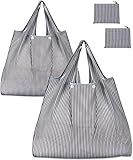
Good for carrying groceries from a local farm shop in Hawkshead or souvenirs from Grasmere. Folds into a pocket when not in use, reducing plastic bag use in the national park.
Outdoor & Hiking Gear

Provide critical stability and reduce knee strain on the steep, often wet and rocky descents common on Lake District fells. They also help test the depth of puddles on boggy upland paths.
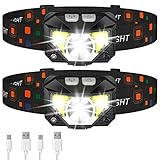
Essential if your walk takes longer than planned, a frequent occurrence when vistas distract you. Also useful for early morning starts or finding items in a dimly-lit country cottage.

Pack a whistle and compass before you step onto the fells. Weather flips fast. Visibility can drop to meters. The whistle signals for help. The compass backs up your phone. Carry both.
Seasonal Packing Adjustments
What to add or skip depending on when you visit
Spring
March, April, May
Add: Mid-weight insulated jacket, Fleece gloves and hat, Waterproof overtrousers
Shop Spring essentials →Skip: Heavy winter coat, Extreme cold weather gear
Days shine bright. Nights bite cold. Lingering damp hangs in the air. Sudden, heavy showers crash down. Winter melt leaves trails muddy. Fewer walkers now. Daffodils glow in gardens. Newborn lambs stumble in fields.
Summer
June, July, August
Add: Sun hat and high-SPF sunscreen, Lightweight, breathable hiking shirt, Swimwear for wild swimming
Shop Summer essentials →Skip: Heavy fleece, Thermal base layers
This is the warmest, busiest spell. Even on hot days, keep a waterproof layer. Add a warm mid-layer for higher altitudes. The air up there stays cooler and changeable. Midges swarm in still, humid pockets near water.
Autumn
September, October, November
Add: Warmer insulated jacket, Thermal base layers, Wool hat
Shop Autumn essentials →Skip: Swimwear, Sun hat
Autumn looks dramatic. Leaves flame and fall. Days shrink fast. Frost can strike from October. Pack for a wide temperature range. Storms lash the high fells. Expect strong winds.
Winter
December, January, February
Add: Heavyweight insulated coat, Thermal base layers, Warm gloves, scarf, and insulated hat, Waterproof boots with good tread
Shop Winter essentials →Skip: Lightweight layers, Breathable summer shirts
Winter turns cold, wet, and icy. Daylight hours are short. Only experienced, well-equipped walkers should tackle high fells. Stick to lower-level valley walks. Tour literary sites. Warm up in cozy pubs. Ice grips for shoes help.
Luggage Recommendation
A medium-sized travel backpack or a wheeled carry-on suitcase plus a foldable daypack works best. Many older cottages and B&Bs have stairs and no elevators. Backpacks are easier. Public buses offer limited luggage space. A single backpack wins. Fit a waterproof cover or liner. Rain may greet you at every stop.
Shop Carry-On Luggage on AmazonPro Packing Tips
Practical advice from experienced travelers
Don't Pack
- Leave heavy hiking boots behind if you only plan gentle lakeside strolls. A strong pair of waterproof walking shoes is often enough. They are lighter to pack.
- Ditch large, hardcover guidebooks. Choose a digital version or a lightweight paperback. Save luggage weight.
- Do not haul a full week's supply of bulky snacks. Crisps and cereal bars are cheap at Booths in Windermere or Keswick.
- Skip formal evening wear. The Lake District dress code stays casual and practical. A smart-casual sweater and clean trousers work for nicer dinners.
- Leave the large, heavy tripod unless photography is central to your plans. Quick showers demand fast moves. A compact, lightweight travel tripod or gorilla-pod grip fits better.
- Beach towels take too much space. For wild swimming, grab a quick-dry travel towel from George Fisher in Keswick.
Buy Locally
- Ordnance Survey paper maps remain essential for serious hiking. Buy them at Cotswold Outdoor in Keswick or National Park Visitor Centres. Staff will point out the best sheet for your routes.
- Local walking guides and literature reward curious readers. Sam Read in Grasmere and Fred Holdsworth in Ambleside stock curated Lake District walks, history, and writers you will not find elsewhere.
- Need specialist outdoor clothing or gear? George Fisher in Keswick offers expert fitting and advice for the exact conditions you are facing.
- A proper waxed cotton jacket or cape costs more. Yet lasts decades. The Herdy Shop in Windermere sells versions that perform in rain and look local.
- Do not pack space-consuming food gifts. Buy Grasmere gingerbread from the original churchyard shop. Grab sticky toffee pudding from Cartmel. Pick up Kendal mint cake at any local grocer.
Packing Hacks
- Roll clothes instead of folding to save space
- Pack shoes in shower caps to protect clothes
- Use packing cubes to stay organized
- Keep essentials in your carry-on
Continue Planning Your Trip
More guides to help you prepare